Running on Java 22-ea+27-2262 (Preview)
Home of The JavaSpecialists' Newsletter
Helping Make Better Java and Making Java Better...
From expert level specialists articles, to in-house courses to consulting - if it's at the bleeding edge of Java - you're in the right place.
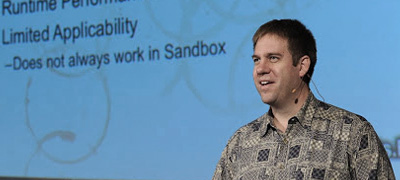
Java Champion, author of the Java Specialists Newsletter, conference speaking regular... About Heinz
The JavaSpecialist Newsletter: Celebrating 23 years of publication, enjoyed in over 155 countries by 70,000 of the world's top Java programmers and spanning over 300 specialist Java articles.
Subscribe to The Java Specialists' Newsletter and you'll get: Every new issue, our Best 10 articles ever, exclusive invites to live webinars, access to expert tutorials...and more!
Subscribers...
"Your must-read resource for the frequent surprising low-level JDK internal details." Lukas Eder
Java Training
We deliver relevant courses, by top Java developers to produce more resourceful and efficient programmers within their organisations.